
Jan 13th, 2026 | Event Management
Managing Multiple Stakeholders at Corporate Conferences
Managing speakers, sponsors, senior stakeholders, suppliers and a venue at the same conference? This guide shows you how to keep responsibilities, deadlines and changes under control.
Why Stakeholder Management Gets Difficult at Corporate Conferences
A conference can have several groups making decisions about the same event.
Your leadership team may be changing the agenda while speakers are sending presentations to the AV team. Sponsors need information about branding and access. The venue needs final numbers and timings. At the same time, your internal team may be managing delegates, communications and last-minute requests.
A change made by one stakeholder can affect several others.
Move a speaker by 30 minutes and you may also need to change an AV cue, another speaker's timing or a catering break.
That's why these requirements need to be managed as part of one conference plan rather than through separate conversations as the event gets closer.
Decide Who Has Final Responsibility
Several people may have input into a conference, but someone needs the authority to make final decisions.
If a speaker asks for another 20 minutes, who can approve it? If a programme change increases the production cost, who signs that off? If two internal stakeholders want different things, who makes the call?
Clear ownership doesn't mean one person has to organise everything. It means the venue, suppliers and internal team know where final decisions come from.
Build One Working Event Plan
Different stakeholders naturally work from different information.
The venue has its requirements. AV needs technical information and presentation files. Speakers have arrival and session times. Sponsors have agreed deliverables. Your internal team may have its own agenda and planning documents.
The people managing the conference need one current plan that brings those details together.
Depending on the event, this can cover:
- Supplier arrival and setup
- Registration
- Speaker arrival times
- Presentation requirements
- Rehearsals
- Stage movements and AV cues
- Catering and breaks
- Sponsor requirements
- Room changes
- Event finish and breakdown
Not everyone needs every operational detail, but the people responsible for delivering the conference need to be working from the same information.
Manage Speakers as Their Own Workstream
Don't wait until the final week to establish what each speaker needs.
Confirm their session time, expected duration, presentation format, AV requirements and arrival time in advance.
There also needs to be a clear process for presentation files. Who receives them? When are they due? Who checks them? Which version is final? What happens if an updated presentation arrives on the morning of the conference?
Depending on the programme and production setup, some speakers may also need a rehearsal or technical check.
On the day, someone should know when each speaker has arrived, where they need to be and when they are due on stage.
Give Sponsors and Partners Clear Deadlines
Sponsors, exhibitors and event partners may need branding, exhibition space, stage time, tickets, venue access or technical support.
Agree those requirements early enough to include them in the wider event plan.
If a sponsor has a video to play before a speaking slot, for example, the AV team needs the correct file, the running order needs the cue and whoever is managing the stage needs to know when it happens.
Set deadlines for logos, artwork, presentation files, attendee information and technical requirements rather than chasing them individually as the conference approaches.
Turn the Agenda Into a Running Order
An agenda shows what should happen.
A running order shows how it actually happens.
A delegate might see:
10:00 AM – Opening Address
The delivery team needs more information. When does the speaker arrive? Do they need a microphone fitted? Which presentation needs to be loaded? Who introduces them? Is there an AV cue before they walk on stage? What happens immediately after they finish?
The running order connects those details across the conference. It can cover registration, speakers, presentations, AV cues, catering, networking breaks, room changes and supplier activity.
That gives the venue, production team and event managers the same reference point when the conference is underway.
Have a Process for Changes
Changes during conference planning are normal. The challenge is making sure a change reaches everyone it affects.
If a session moves from 2:00 PM to 2:30 PM, does that affect another speaker? Does AV need a revised running order? Does catering need to move a break? Has the original timing already been communicated to delegates?
As the conference gets closer, keep track of what changed, who approved it and who needs the updated information.
That's more reliable than allowing revised timings and requirements to sit across separate email threads.
Make Onsite Decision-Making Clear
By event day, everyone should know who is responsible for what.
If a speaker is late, who speaks to them? Who tells AV? Who decides whether the agenda changes? If that change affects lunch or a coffee break, who speaks to the venue?
The onsite team should have the latest running order, supplier contacts, speaker information and any other operational details they need.
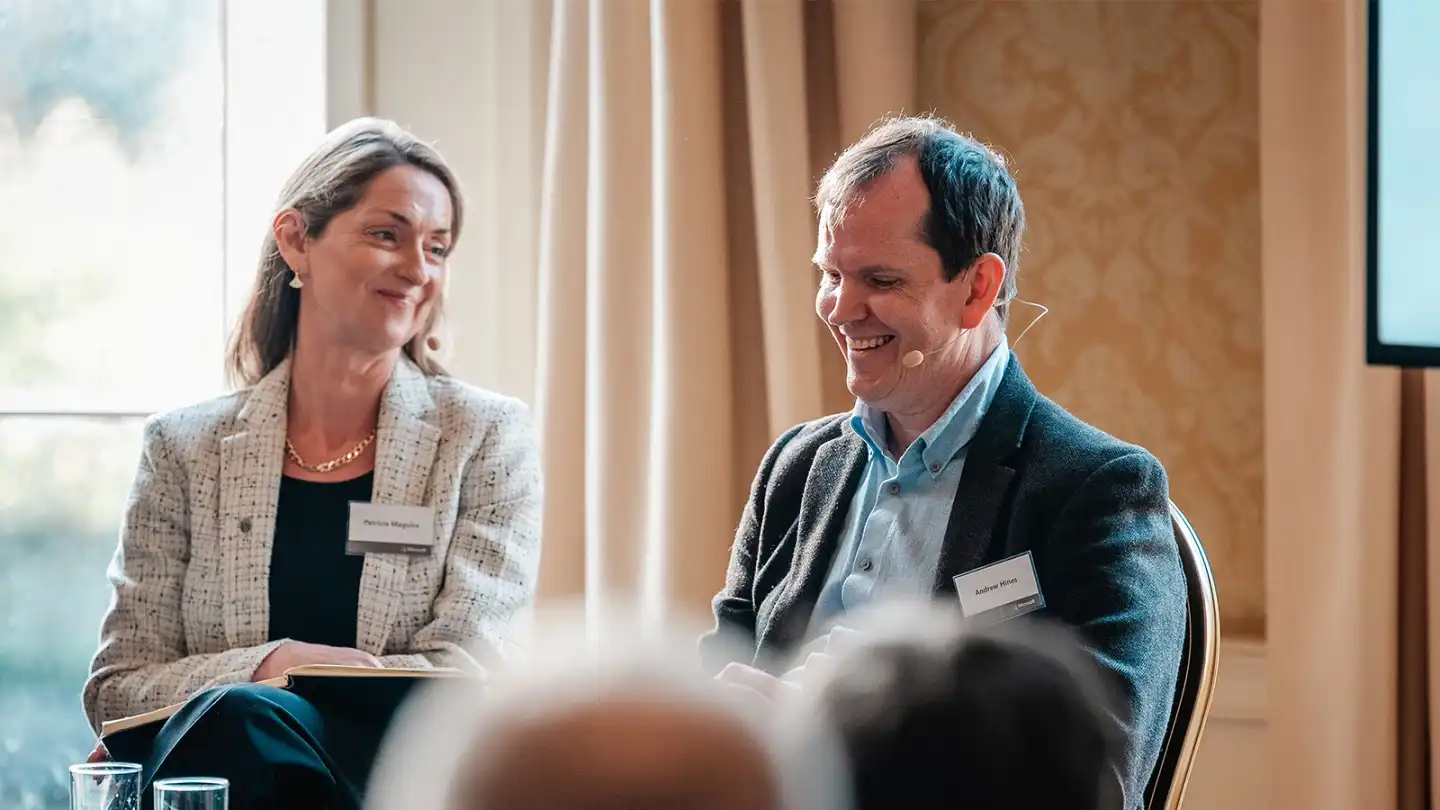
Dynamic Events handled this type of coordination for Microsoft's AI Learning Conference at the Museum of Literature Ireland, where our role included speaker logistics, AV and staging, registration, suppliers, catering and onsite conference management.
When External Conference Management Becomes Useful
Not every conference needs an external event management company.
If the event is relatively straightforward and your internal team has the time and experience to manage the venue, speakers, suppliers and event day, you may be able to handle it internally.
External support becomes more useful when there are multiple suppliers, speakers, sponsors, production requirements or a larger delegate programme to coordinate.
Dynamic Events provides conference planning and management across Ireland. Depending on the brief, our role can cover venue sourcing, AV and production, registration, speakers, suppliers, running orders and onsite delivery.
If you already have a venue or suppliers booked, that doesn't mean you need to start again. The first step is establishing what is already covered and what still needs to be managed.


Oct 29th, 2026
How To Plan A Corporate Networking Event In Ireland
Planning a corporate networking event in Ireland? From client receptions and business launches to interactive entertainment and company celebrations, discover practical tips for creating an engaging event that brings people together and encourages meaningful connections.
Read more

Oct 28th, 2026
Death By PowerPoint: Energise Your Team Offsite With Dynamic Events Ireland
Still sitting through presentations that could have been an email? If your company offsite is heavy on slides, here’s how to break up the day with team building activities that get people out of their seats.
Read more

Oct 10th, 2026
How To Choose Virtual Team Building For A Large Group
Got 50, 100 or 200 people joining a virtual team event? The numbers are rarely the hardest part. Here’s what we look at when helping clients choose an activity their group will actually enjoy.
Read more

Similar Blog Posts


A Day In The Life Of The Head Of Conference & Event Management At Dynamic Events
Go behind the scenes with our Head of Conference & Event Management and learn how Dynamic Events delivers top-tier corporate events in Dublin and beyond.
Read more

A Day In The Life Of An Intern At Dynamic Events
What’s it really like to work at Dynamic Events? Our intern Taylor shares her favourite moments and lessons from six months behind the scenes.
Read more

Book Now, Celebrate Later: Planning Your Summer Corporate Event
Planning a corporate summer event in Ireland? Start with three things: where it will take place, how many people are attending and whether you already have an activity in mind.
Read more


Have a question about team building or event management,
or would you like to arrange a free demo of our
online team building activities?
We would love to hear from you.
Contact us today and we'll respond today.
Send us a message
Drop us a line
Email:
Office Address:
Unit 8 Burgage House,
Blessington, Co.Wicklow.
Follow Us


View Our Venue Partners, Locations and Event Types
